
CES 2026 Shows the Next AI Leap: From Chatbots to Real-World ‘Agentic’ Systems
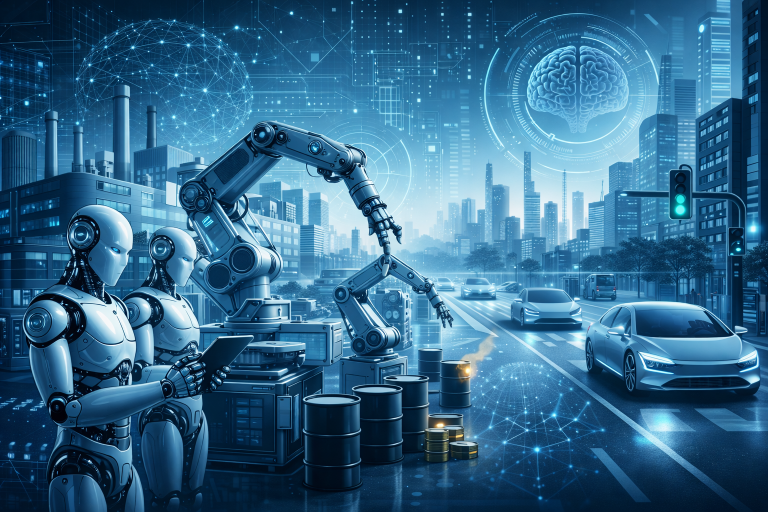
CES 2026 made one thing unmistakably clear: artificial intelligence has moved far beyond chatbots and text generation. This year’s show marked the arrival of agentic AI systems—intelligent agents capable of acting autonomously in the physical world. From robots and self-driving cars to industrial automation and smart infrastructure, AI is no longer just answering questions; it is making decisions, taking actions, and collaborating with humans in real time.
As tech giants and startups alike unveiled their latest innovations, CES 2026 highlighted a turning point in how AI is designed, deployed, and trusted.
From Conversational AI to Agentic Intelligence
What Is Agentic AI?
Agentic AI refers to systems that can perceive, decide, and act independently to achieve specific goals. Unlike traditional chatbots that respond to prompts, agentic systems operate continuously, adapting to their environment and coordinating complex tasks.
At CES 2026, exhibitors emphasized AI agents that:
- Execute multi-step tasks without constant human input
- Learn from real-world feedback, not just data sets
- Collaborate with other AI agents and humans
This shift signals AI’s evolution from assistive tools to autonomous operators.
Why CES 2026 Was Different
Previous CES events focused heavily on generative AI demos—text, images, and videos. In contrast, CES 2026 showcased working systems embedded in machines, highlighting AI’s transition from software novelty to real-world utility.
AI Robots Take Center Stage
Humanoid and Industrial Robots Get Smarter
Robotics was one of the most crowded categories at CES 2026. New AI-powered robots demonstrated advanced perception, reasoning, and dexterity.
Key developments included:
- Humanoid robots capable of navigating complex indoor spaces
- Warehouse and factory robots coordinating tasks without centralized control
- Service robots adapting to customer behavior in real time
These systems rely on agentic AI to plan movements, avoid obstacles, and adjust workflows dynamically.
AI as a Co-Worker, Not a Replacement
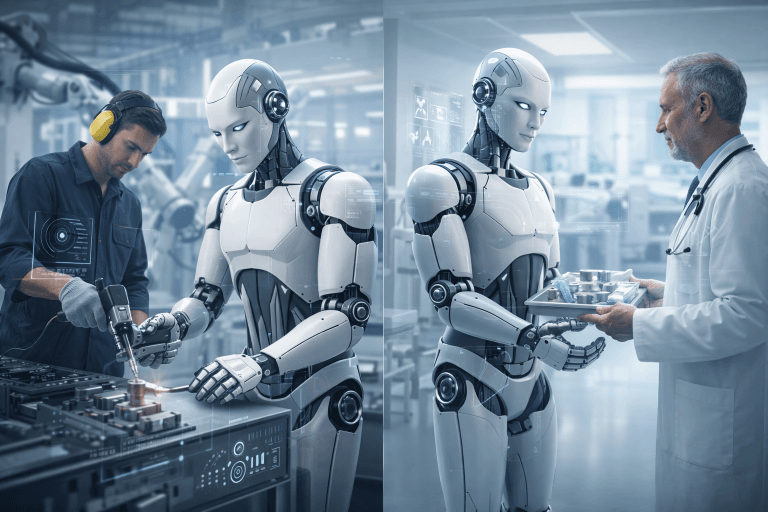
Manufacturers stressed collaboration over replacement. Agentic robots are designed to work alongside humans, handling repetitive or dangerous tasks while humans focus on oversight and creativity.
This framing reflects growing awareness of workforce concerns and regulatory scrutiny around AI-driven automation.
https://goldenraysnews.com/ai-chips-cloud-wars-and-big-tech-moves/
Autonomous Vehicles Enter the Agentic Era
Cars That Reason, Not Just React
Automotive announcements at CES 2026 showed how agentic AI is reshaping mobility. Instead of rigid rule-based systems, next-generation autonomous vehicles use AI agents to:
- Anticipate traffic patterns and driver intent
- Negotiate complex urban environments
- Coordinate with smart infrastructure and other vehicles
This approach allows vehicles to handle edge cases more effectively—one of the biggest hurdles for full autonomy.
AI Agents Inside the Car
Beyond driving, AI agents are now managing:
- In-car infotainment and personalization
- Energy efficiency and route optimization
- Predictive maintenance
These systems operate continuously, learning from each journey.
https://goldenraysnews.com/december-2025-cybersecurity-recap/
Industrial AI Moves From Analytics to Action
Smart Factories Become Autonomous
Industrial exhibitors demonstrated how agentic AI is transforming manufacturing and logistics. AI agents are now capable of:
- Adjusting production schedules in real time
- Detecting equipment failures before they happen
- Optimizing supply chains without human intervention
This represents a shift from AI as a decision-support tool to AI as an operational controller.
Digital Twins Meet Agentic AI
Digital twins—virtual replicas of physical systems—were paired with AI agents that could simulate outcomes and then implement decisions in the real world. This loop between simulation and execution reduces downtime and increases efficiency.
https://goldenraysnews.com/google-issues-major-scam-warning/
The Infrastructure Behind Agentic Systems
AI Chips and Edge Computing
Agentic AI requires significant processing power and low latency. CES 2026 highlighted advances in:
- AI-specific chips optimized for real-time decision-making
- Edge computing, enabling AI to act locally rather than relying on the cloud
These technologies allow robots, vehicles, and machines to operate even with limited connectivity.
Security and Trust Become Critical
As AI systems gain autonomy, security concerns grow. Several companies introduced safeguards such as:
- AI behavior monitoring
- Kill switches and human override systems
- Compliance frameworks aligned with emerging regulations
Trust and accountability emerged as central themes, especially for AI operating in public spaces.
What CES 2026 Signals for the Future of AI
AI Becomes an Actor in the Physical World
CES 2026 confirmed that AI is no longer confined to screens. Agentic systems are becoming active participants in transportation, manufacturing, healthcare, and services.
This evolution could unlock major productivity gains—but also raises questions about safety, ethics, and control.
Regulation and Adoption Will Move Together
As agentic AI spreads, governments and industry groups are expected to accelerate standards and oversight. Companies that can demonstrate transparency, reliability, and human-centered design are likely to gain an edge.
Final Thoughts: A Defining Moment for Artificial Intelligence
CES 2026 marked a defining moment in AI’s journey. The spotlight shifted from what AI can say to what AI can do. Agentic systems—robots that work, cars that think, and factories that adapt—are no longer experimental concepts. They are entering the market now.
The next phase of AI innovation will not be judged by clever demos, but by how safely and effectively these systems operate in the real world. CES 2026 showed that this future has already begun.







22 comments
Thanks 🥰
👍👍👍
Thanks
Thanks millions 💌
Hi
Thanks for this article.
In-car infotainment and personalization
Energy efficiency and route optimization
Predictive maintenance
These systems operate continuousl👍
Thanks for all
Morning 🍀
Thanks.
မောလည် 🌼
I appreciate your article.
Hello
Thanks for sharing.
Thanks for your sharing🌸🌸
Done
Morning🌻
Good night
Thanks 🌸
Great Article